
PLAB 2 takes place at the Manchester venue printed on your booking confirmation, either 3 Hardman Square, M3 3EB, or 3 Hardman Street, M3 3AW. The exam takes around three hours and contains 16 scenarios of eight minutes, with at least two rest stations. Wear the sort of clothes you would use for clinical work and bring accepted identification. Personal equipment, notes, watches and phones stay outside the circuit; the GMC supplies the station equipment.
Check the correct Manchester address
The GMC operates two PLAB 2 assessment centres in Manchester. One is the GMC Clinical Assessment Centre at 3 Hardman Square, Manchester, M3 3EB. The other has an almost identical address but a different postcode: 3 Hardman Street, Manchester, M3 3AW. Your booking confirmation states which one to attend. Save that address before travelling and check the route the day before. The two buildings are about a five-minute walk apart, but that is not a reason to aim for the wrong one.
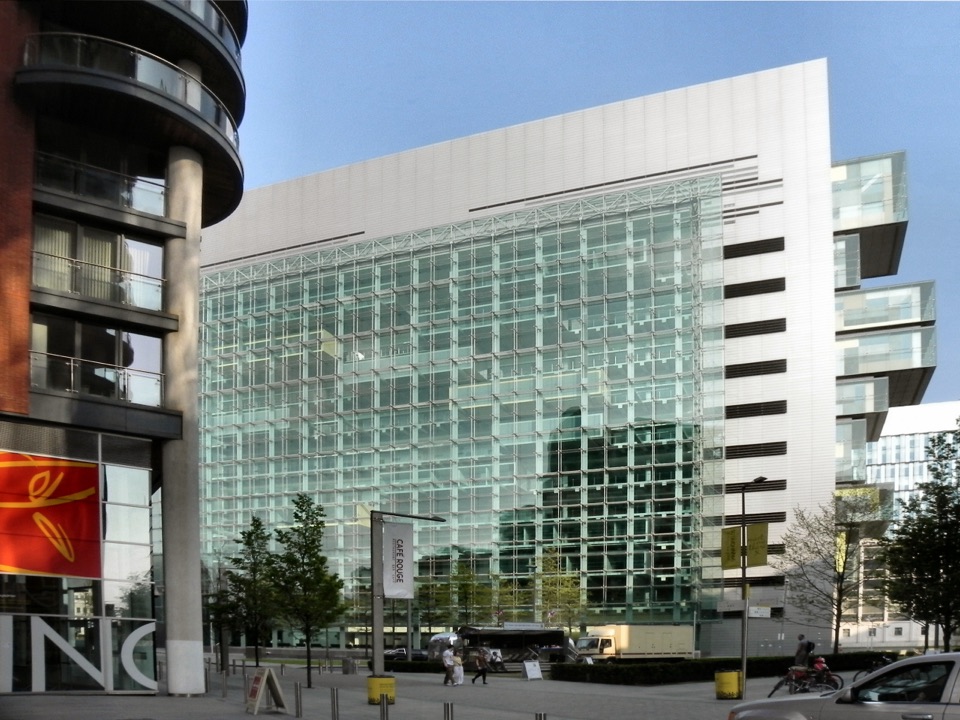
The PLAB 2 visa guide covers travel and UK entry planning. On the exam morning, follow the venue and arrival time in the GMC email. The GMC warns that you may be asked to leave if you arrive early, while late arrivals cannot sit the exam. Allow for disruption without ignoring the allocated time.
What to wear
The GMC dress guidance says to dress as you would for work in a UK hospital ward or another clinical setting. Clothing should support patient safety and public confidence. The guidance also allows for comfort, cultural practices and beliefs.
The GMC does not require a suit, a particular colour or an expensive outfit.
For men, a clean collared shirt or plain professional top with smart trousers fits that guidance. Sleeves should be short or easy to move above the elbows. Choose shoes that remain comfortable through roughly three hours of standing, walking and changing rooms. For women, suitable choices include professional trousers or a skirt with a blouse, a modest dress, or a clinical-looking tunic with trousers. The GMC guidance does not require a skirt or exclude trousers. You should be able to sit, stand, examine a manikin and walk without having to adjust your clothes or shoes.
A hijab is compatible with the GMC's support for cultural practices and beliefs. Arrange it securely for movement between the 16 scenarios. The GMC describes being bare to the elbow, without watches, bracelets or rings, as good practice and says sleeve covers can be provided when required. It does not describe bare below the elbows as an absolute entry rule. Manage long hair and headwear as you would in a UK clinical setting.
Wear the outfit during a timed practice session before exam day. That gives you a chance to notice tight sleeves, noisy jewellery, a slipping scarf or uncomfortable shoes. The six-week preparation plan leaves the final 24 hours for sleep and logistics.
What to bring and what stays outside
The GMC accepts one proof of identity from a passport, a full UK driving licence or an identity card with a machine-readable zone. A provisional UK driving licence is not accepted. If the identification name differs from the GMC booking confirmation, the official exam-day guidance says to bring original evidence connecting the names, either a marriage certificate or a declaration from the body that awarded the primary medical qualification.
Keep the booking confirmation and arrival email available before entry, on paper or on your phone, because they show the address and allocated time. Once check-in is complete, the phone belongs in the locker. The GMC allocates a small locker, requires all personal items to be placed inside and does not allow access again until the exam has finished, so bring only what you need.
A personal stethoscope is unnecessary because the GMC supplies all necessary station equipment.
The GMC's exam-day guidance describes scenarios with manikins or other equipment where the task requires them, and actors playing patients in the rest. Revision notes and a smartwatch stay in the locker with your other belongings. Between stations, you have 1 minute and 30 seconds to move to the next room and read the instructions. If you need medication or access to a medical device during the circuit, use the GMC's health-adjustment process before exam day.
The circuit rhythm
The GMC format guidance says you read the instructions and patient information outside each room, enter the cubicle, complete the stated task and move when the timer announces it. Each scenario lasts eight minutes. Before it starts, there are 1 minute 30 seconds to travel to the next room and read.
Use the 90-second interval to move, read the instructions and identify the setting, your role, the patient, the task and any information supplied. If you have been asked to explain an investigation result, do not spend the reading time inventing a full history structure.
The task, not a memorised template, controls every one of the eight minutes.
At least two rest stations break the roughly three-hour circuit. Use them for water and a physical reset. An incomplete station ended when its eight-minute timer sounded; replaying it takes attention from the next task.
Examiners record performance station by station across three domains. The PLAB 2 scoring guide explains those scores and diet-level standards. When the timer ends, turn your attention to the next instruction and open the new consultation at a normal pace.
The role-players and examiner
Some GMC scenarios use manikins or other equipment. Others use an actor playing a patient, and every station is observed by an examiner in person, by telephone or through a remote camera. The GMC says examiners intervene only in very limited circumstances. Their silence does not mean you have missed a hidden instruction.
Direct the consultation to the patient, not the examiner.
Eye contact, questions, explanations and checks of understanding should go to the patient or role-player. If the station requires information from the examiner, the instruction or setup will make that clear.
Trained role-players may show worry, disagreement, anger or confusion because the scenario needs an interpersonal response. They are not there to help you complete a memorised script. Handle a pause or challenge as you would with a patient at Foundation Year 2 level: acknowledge the cue, clarify it and continue the clinical task.
Results and problems on the day
As verified on 4 August 2026, the GMC results guidance says PLAB 2 results are published within a month of the exam date. The GMC emails you when they are ready, and the result appears under My Tests in GMC Online. Results are not given by telephone or at GMC reception. Another diet's release date does not set yours. Avoid writing down or sharing exam details after the circuit, as this can breach the GMC's exam-conduct rules.
One matter should not wait for GMC Online. If an unexpected circumstance or procedural irregularity may have harmed your performance, the GMC asks you to tell a staff member as soon as possible, ideally before leaving the Clinical Assessment Centre. Reporting it while the event is fresh gives staff a chance to investigate and, where possible, resolve it on the same day.
Questions candidates actually ask
What is the appropriate dress code for women in PLAB 2?
A woman should dress as she would for clinical work in a UK hospital: a professional dress, skirt or trousers with a blouse or tunic, plus comfortable shoes. The GMC supports dress in line with cultural practices and beliefs, calls being bare to the elbow good practice, and can provide sleeve covers when required. A securely arranged hijab is compatible with this guidance.
Can I bring my own stethoscope to PLAB 2?
You do not need a personal stethoscope. The GMC's exam-day guidance describes stations equipped with manikins or other equipment where a scenario needs them, and personal items go into a locker before the circuit, so the station's own equipment is what gets used.
How early should you arrive for PLAB 2?
The GMC emails you an allocated arrival time, and you should follow that rather than a general rule. Early arrivals may be asked to leave until their allocated time, while late arrivals cannot take the exam, so allow for transport disruption.